


In the 21st century, effective research skills have become a fundamental life skill, moving beyond mere academic utility. Developing these skills is crucial for individuals to navigate complex information, discern credible sources, form informed opinions, and drive innovation. This is invaluable not just for academic achievement, but also for personal growth and career success.
What Are Research Skills?
At its core, research skills are far more nuanced than simply looking for information. They encompass a sophisticated set of techniques used to systematically identify, evaluate, organise, and communicate information relevant to a specific topic or inquiry
This multifaceted process involves the art of asking the right questions—questions that probe deeper, challenge assumptions, and open new avenues of exploration. Following this, it requires the meticulous collection of relevant data, which can range from academic texts and scholarly articles to empirical observations, interviews, or experimental results.
Beyond mere collection, true research demands the ability to analyse data critically, dissecting information to understand its components, identify patterns, and detect potential biases or inconsistencies. Finally, it culminates in the logical presentation of findings, articulating conclusions clearly and coherently, often supported by compelling evidence and well-reasoned arguments.
Ultimately, effective research is not just a mechanical process; it fundamentally requires mental discipline to maintain focus and rigour, coupled with an insatiable curiosity that drives the continuous pursuit of knowledge and understanding.
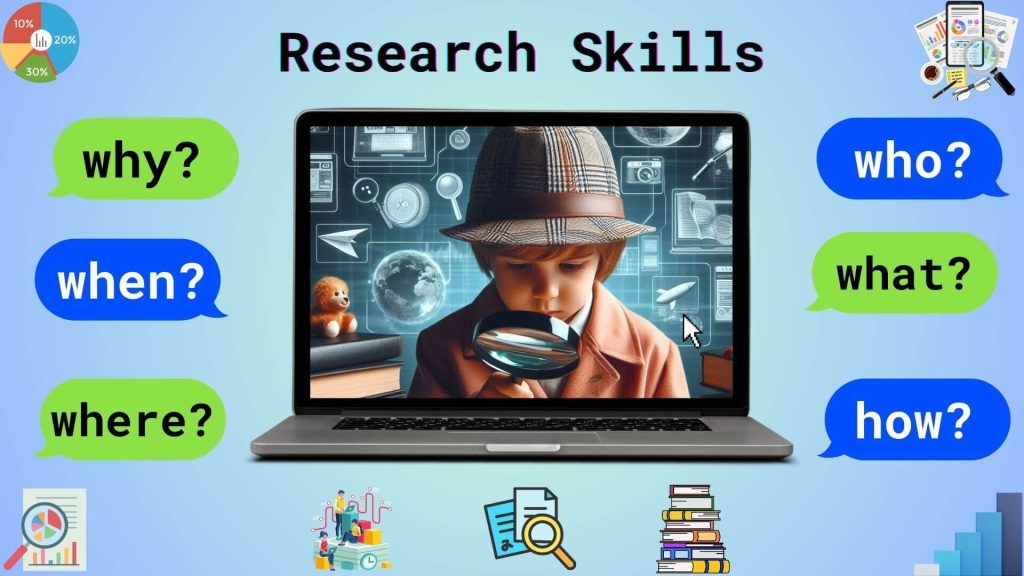
Information about Research Skills
Why Are Research Skills Important in School?
Research skills are foundational to a holistic education, equipping students with the tools to excel academically and beyond. Their importance is particularly pronounced within progressive educational frameworks.
Core to the IB and Inquiry-Based Learning
Research skills are central to the IB curriculum, spanning from PYP and MYP to the rigorous Diploma Programme (DP). Rooted in inquiry-based learning, the IB encourages students to ask questions, explore independently, and build their own understanding—all of which hinge on strong research abilities.
In the DP, research skills are vital for major assessments like Internal Assessments (IAs) and the Extended Essay (EE), which require independent inquiry and structured analysis. Without solid research methods, succeeding in these core tasks would be highly difficult.
Building Deeper Understanding and Critical Thinking
Research skills go beyond academic requirements, fostering critical thinking and deeper understanding. By gathering and analysing diverse sources, students learn to question assumptions, assess evidence, and think more analytically.
In subjects like History, research helps them explore primary sources and multiple viewpoints, building nuanced interpretations. In Biology, it develops their grasp of scientific methods and data analysis, nurturing a genuine scientific mindset.
Supporting Lifelong Learning and Future Success
Research skills extend beyond the classroom, playing a vital role in lifelong learning and future success. At university, they support independent study, thesis writing, and academic inquiry, giving students a clear advantage.
In the workplace, research is essential across fields like science, marketing, policy, journalism, and entrepreneurship—where analysing data and presenting insights is key. Even in daily life, these skills help individuals make informed choices and pursue personal interests more effectively. Ultimately, research is a foundational skill for continuous growth in a changing world.
Examples of Essential Research Skills
Effective research is built upon a combination of interconnected skills, each contributing to the robustness and validity of the inquiry.
- Critical Thinking: This is paramount, involving the active analysis and evaluation of information before forming a conclusion. It goes beyond mere acceptance, encompassing the ability to question the validity of claims, spot inconsistencies in arguments, and avoid the blind acceptance of information. This skill helps in accurately interpreting and evaluating diverse sources.
- Analytical Thinking: This involves the methodical process of breaking down complex problems or large datasets into smaller, more manageable parts. It focuses on identifying underlying patterns, understanding cause-and-effect relationships, and subsequently drawing logical conclusions from the dissected information.
- Data Collection: This refers to the systematic process of gathering information pertinent to the research question. Methods can vary widely, including conducting surveys, designing and executing experiments, reviewing existing literature, or conducting interviews. Accurate and systematic data collection is crucial for ensuring the validity and reliability of conclusions.
- Source Evaluation: A vital skill for navigating the vast ocean of information, especially online. It involves determining the reliability, credibility, and potential bias of research materials. This is essential to ensure that research is based on solid, trustworthy evidence. Key considerations include the author’s expertise, their qualifications, the publication’s reputation, and the timeliness of the information.
- Information Synthesis: This is the ability to combine data, ideas, and arguments from different sources into a coherent and integrated whole. It involves connecting the dots between disparate pieces of information, identifying overarching themes, and creating a cohesive narrative or argument that demonstrates a deeper understanding of the topic.
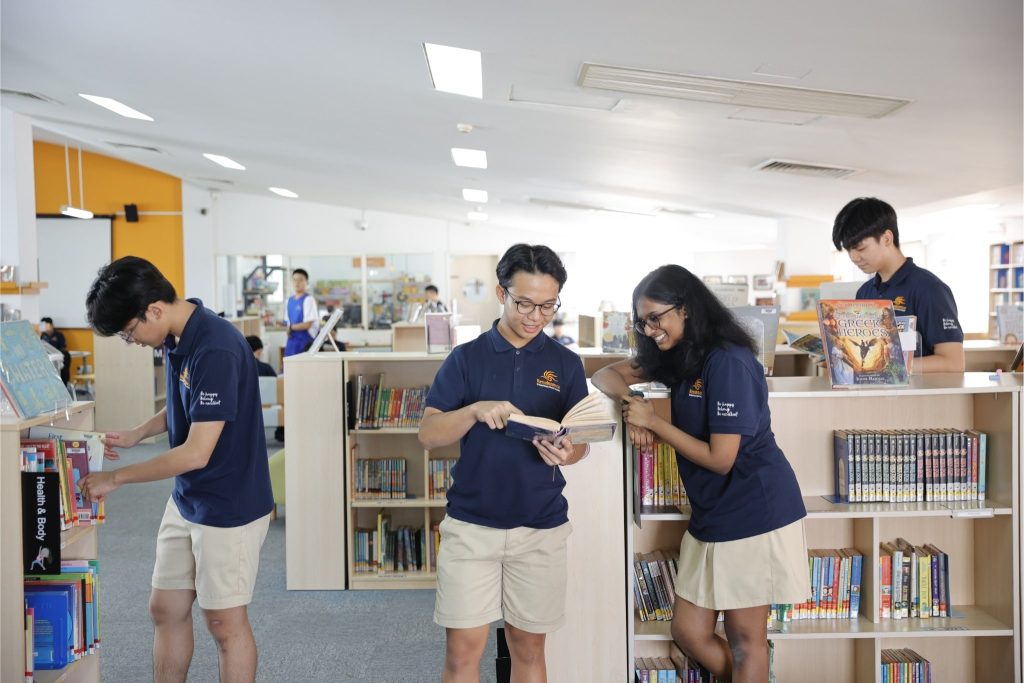
Example of Research skills
- Scientific Writing / Academic Writing: This specialised form of communication focuses on clearly and accurately presenting research findings using a structured format, typically including an introduction, methods, results, discussion, and sources. Adhering to proper citation guidelines (e.g., APA, MLA) is crucial to give credit where due and avoid plagiarism.
- Presentation Skills: Beyond written reports, researchers must effectively organise and communicate their findings through various mediums, such as visual aids (charts, graphs), oral presentations, or multimedia projects. This involves conveying complex information in an engaging and understandable manner.
- Note-taking is an indispensable skill for researchers; it involves recording key information from sources in an organised, concise way for easy reference later. Effective note-taking information synthesis by allowing for easier identification of connections between ideas.
- Time Management: Research projects, especially larger ones, require meticulous planning and control of time. This skill involves breaking down complex research processes into manageable tasks, setting realistic deadlines, and allocating sufficient time for each stage to ensure timely completion.
- Collaboration: Many research endeavours are collaborative. This skill involves working effectively with others through clear communication, efficient task division, and combining individual efforts towards a shared goal. Being open to constructive feedback from peers and mentors is also an important aspect of collaborative research.
- Digital Literacy: In the digital age, knowing how to find, evaluate, and use online resources effectively and safely is paramount. This includes mastering search engines, recognising trustworthy websites, understanding different file formats, and being aware of online privacy and ethical considerations related to digital information.
- Curiosity and Inquiry: These are at the very heart of research. It involves the intrinsic motivation to ask thoughtful questions and possess a strong drive to explore topics in-depth. This mindset encourages digging deeper, challenging existing knowledge, and seeking new information, driving the entire research process. Inquiry-based strategies are widely used in educational settings to help students naturally gain these crucial research skills.
- Questioning: A key and fundamental part of both research and inquiry. The ability to ask correct, meaningful, and open-ended questions helps students in recognising problems, comprehending complex concepts, planning their research effectively, and testing hypotheses.
- Observation: This skill, often included in basic life skills, is also a critical component of the research process, particularly in empirical studies. It involves meticulously noticing and recording details, patterns, and behaviours to gather qualitative or quantitative data.
How to Develop Research Skills
Developing robust research skills requires a systematic and multi-faceted approach that integrates explicit instruction with ample opportunities for structured practice and critical reflection.
Start with Explicit Instruction
Effective research skill development begins with explicitly teaching the individual skills and steps involved in the research process. Educators should not assume students inherently possess these abilities. Instead, they should systematically break down complex tasks into manageable components, demonstrating how to formulate research questions, identify keywords, use databases, evaluate sources, and synthesise information. Initially, this involves significant scaffolding, where teachers provide strong guidance and support.
Over time, as students gain confidence and proficiency, this scaffolding can be gradually released, allowing to take more ownership of their research process. Essentially, the approach starts with a clear, structured framework and gradually loosens the reins, empowering students to become independent researchers.
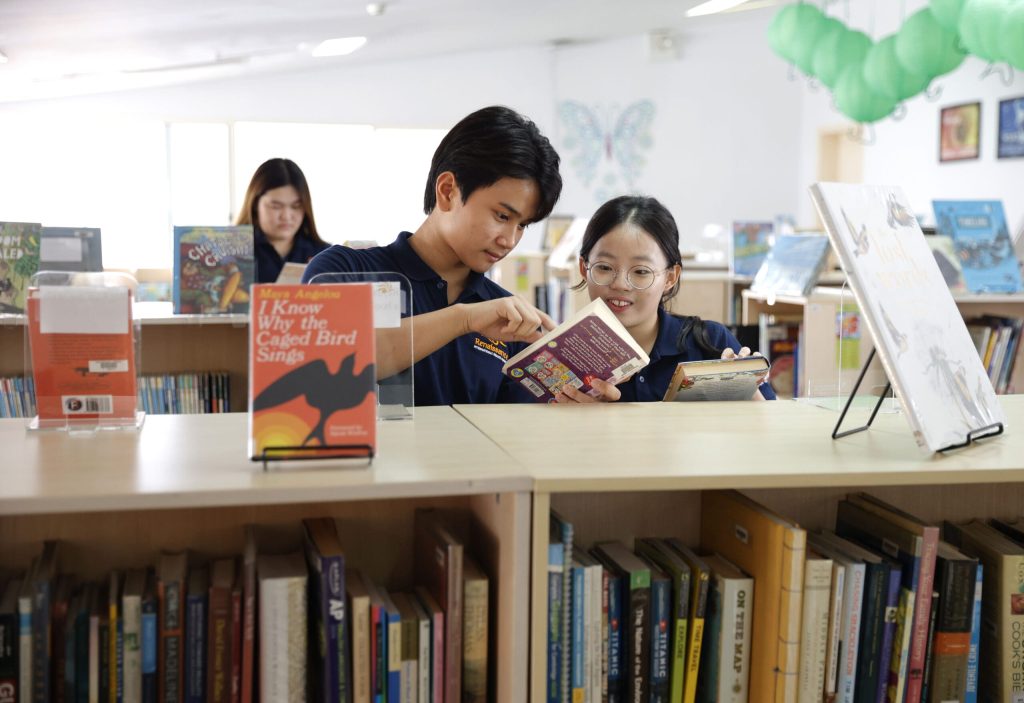
How to develop your research skills
Provide Structured Practice
Theoretical instruction must be paired with abundant opportunities for structured practice. Students learn best by doing, so it’s vital to give them authentic research topics and tasks that are relevant to their interests and curriculum. During this practice, encourage them to use various organisational and analytical tools.
For instance, guiding them to use mind maps can help them brainstorm and connect ideas, while outlines can aid in structuring their research arguments before writing. These tools provide concrete frameworks that help students organise their thoughts and manage the flow of information effectively.
Build Reflection and Integrity
Critical research development also requires reflection and academic integrity. Students should regularly evaluate their research process to improve over time, asking what worked and what can be adjusted. Connecting new skills to prior knowledge and using analogies can make learning more effective.
Equally important is teaching proper citation, the risks of plagiarism, and the value of original work. Students must learn to go beyond surface-level sources and assess credibility and bias. The ultimate goal is to build a school culture that values ethical, thoughtful research.
How Students Use Research Skills Beyond School
The research skills cultivated in school are highly transferable and continue to serve students throughout their lives, extending far beyond the academic environment.
- Preparing for university-level research: These skills are directly applicable and essential for success in higher education, where independent study, dissertation writing, and complex project-based learning are standard.
- Making informed decisions in everyday life: From evaluating news sources to understanding complex health information or making significant consumer choices, strong research skills enable individuals to critically assess information and make sound judgements.
- Contributing to community projects: Whether it’s volunteering for a local initiative, advocating for a cause, or participating in civic engagement, research skills are crucial for understanding needs, gathering evidence, and proposing effective solutions.
- Exploring hobbies and personal interests deeply: Research allows individuals to delve into their passions, uncover new knowledge, and enhance their understanding and proficiency in any personal pursuit, from learning a new craft to understanding complex historical events for leisure.
- Succeeding in research-driven careers: Many modern professions—including science, marketing, policy analysis, journalism, law, and business—rely heavily on the ability to conduct thorough research, analyse data, and present well-supported findings. These skills are often a prerequisite for entry and advancement in such fields.
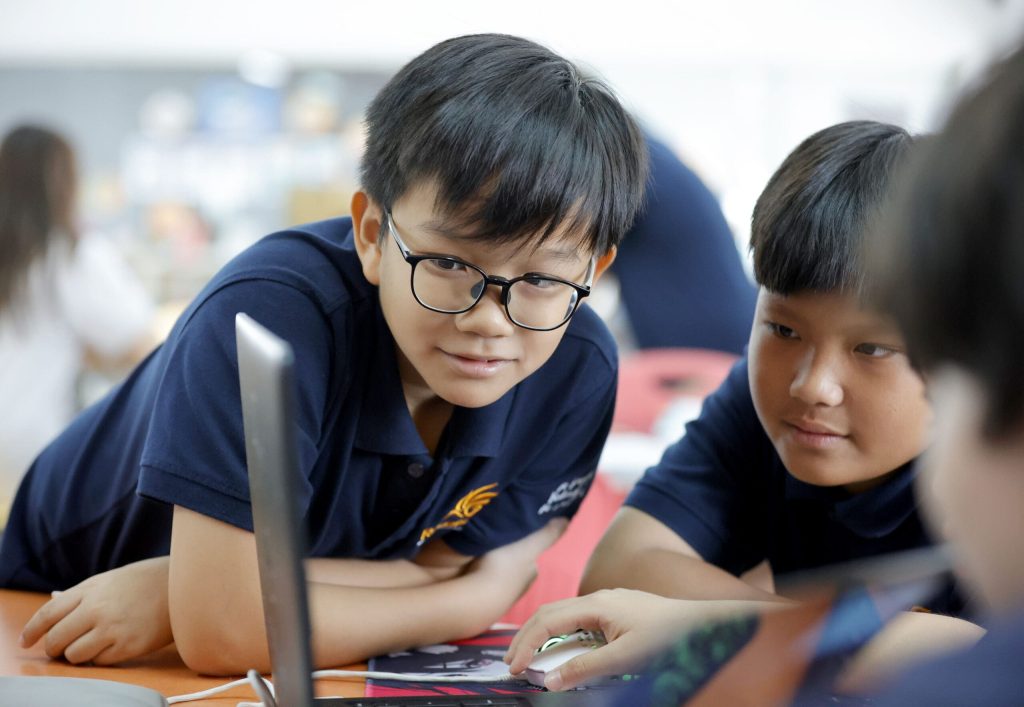
How can students apply research skills
Frequently Asked Questions about Research Skills in International Schools
To further clarify common enquiries about research skills, especially within an international school context, here are some frequently asked questions and their comprehensive answers. These insights address common concerns parents and students may have about the integration and development of these vital abilities.
Is research a separate subject?
No! Research skills aren’t usually taught as a separate subject in international schools. Instead, they’re woven into different subjects like Science, History, and Literature, and emphasised through key projects like the IB’s Extended Essay or personal projects. This integrated approach ensures students learn to apply research skills across diverse academic contexts.
When do students start learning research skills?
Students start building research skills early on. In the PYP, they learn to ask questions and explore topics in simple ways. As they move into MYP, IGCSE, and eventually the DP, these skills are gradually deepened through more complex tasks like essays, investigations, and group projects.
How do students develop research skills?
Teachers are key to supporting students through the research process, from shaping questions and finding information to evaluating sources, organising notes, and presenting results. Schools also back this up with strong resources—like libraries, digital tools, and expert-led workshops—to help students build effective research habits.
Can parents support their child’s research skill development?
Yes, parents can play a valuable role in developing research skills at home. By encouraging reading, discussing current events, guiding source selection, and helping with project planning, they support critical thinking and independence. Asking open-ended questions also helps children reflect and engage more deeply with their learning.